You must have regular cleaning based upon risk factors, food processing capacity, allergen concerns, and health inspections, plus verification documentation supporting food safety protocols, inspection results, and government health requirements. The following sections describe critical cleaning system elements.
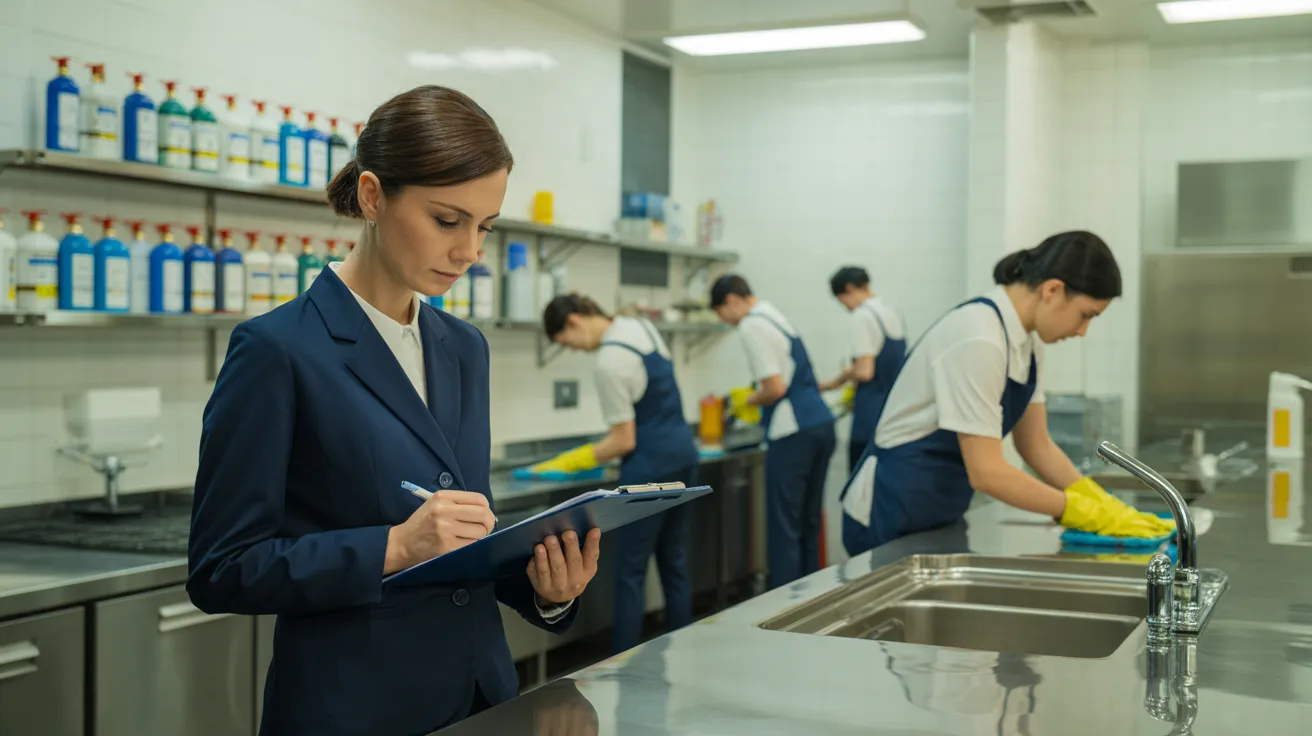
Main Points
- Brampton food safety cleaning experts service restaurants, grocery departments, commissaries, warehouses, bakeries, schools, mobile vendors, and allergen-sensitive operations.
- They clean high-touch surfaces, food-contact equipment, kitchens, floors, drains, restrooms, and storage areas using sectional methods to eliminate cross-contamination.
- Proper chemical concentration, alignment, and contact time are checked by approved vendors, with completion documented via swabs, reviews, and action records.
- Daily, recurring, and seasonal duties assigned by location constitute cleaning schedules founded on risk, production rate, changeovers, accidents, and requirements.
- Contractors ought to exhibit hazard analysis knowledge, health regulatory understanding, WHMIS instruction, protection, testimonials, colour-coded tools, and assessment-ready hygiene paperwork.
Food Safety Cleaning Requirements for Brampton Facilities
Food safety cleaning is mandatory for any Brampton facility that manages, stores, prepares, packages, or distributes food. Apply it to your operation if it falls within health inspections, food codes, or HACCP requirements. This includes dining establishments, break rooms, distribution centers, market departments, meat shops, fish areas, stores, and food prep kitchens.
Compliant food safety cleaning is required in supply warehouses, processing plants, freezer locations, commercial bakeries, school food programs, reception facilities, and food delivery centers. Portable temporary ventures matter as well, examples being food trucks, event sellers, and temporary stalls. Your location needs established hygiene documentation whenever your team process ingredients, portion ready-to-eat items, reheat products, or store allergens. In Brampton, sanitation is not discretionary; it forms part of legal, operational, and consumer protection compliance.
Which Areas Do Brampton Cleaning Experts Cover?
You need professional cleaners who disinfect frequently contacted areas, kitchen areas, floors, and bathrooms to meet food safety and public health standards. They focus on these spaces because they present the highest risk for contamination spread, slip hazards, and sanitation breaches.
If you comprehend their cleaning services, you'll be able to confirm your operation satisfies required operational and regulatory standards.
Critical High-Touch Surface Cleaning
create a sanitizing protocol
in cases where findings fall above acceptable standards. Additionally, they reduce contamination spread by rotating cleaning materials, following one-way workflows
Kitchen Areas, Floor Surfaces, and Bathroom Spaces
Professional cleaners in Brampton prioritize kitchens, floors, and restrooms given that each location involves distinct contamination control, slip-and-fall, and public health requirements. In industrial kitchens, you need grease removal from cooking stations, appliance surfaces, drain systems, preparation areas, and backsplashes to minimize contamination and pest pressure.
Floor care that is recorded should also be anticipated. Technicians clean and remove buildup from grout, tile, and vinyl flooring, then apply proper moisture management so you can reduce slip incidents and maintain code-compliant conditions. They also handle entryways where moisture and debris migrate indoors.
In restrooms, cleaners disinfect touchpoints, fixtures, partitions, dispensers, and waste containers then restock supplies and control odours. They also maintain restaurant cleaning supply rooms where product storage, sink cleanliness, and drain systems impact daily sanitation standards and worker protection.
Food Safety Cleaning Significance for Brampton Businesses
To comply with regulatory mandates and succeed in audits, Brampton establishments must follow appropriate cleaning protocols. You also reduce cross-contamination by cleaning and sanitizing food-contact surfaces, equipment, and high-touch areas correctly. Most importantly, you help protect public health by lowering the risk of foodborne illness in your facility.
Health Code Compliance
Since Brampton food establishments must follow strict public health standards, your cleaning procedures directly influences your capability to fulfill health codes, safeguard diners, and prevent regulatory penalties. You must maintain hygienic food handling zones, documented cleaning schedules, appropriate product handling, and documented employee protocols that align with municipal and provincial inspection expectations.
Effective hygiene procedures helps in preventing allergen issues by minimizing particles buildup on common tools and commonly contacted zones.
Cross-Contamination Prevention
Meeting regulatory requirements also depends on your ability to prevent cross-contamination during routine food preparation and sanitation. You must keep raw items away from prepared dishes, sanitize prep surfaces between tasks, and store chemicals away from food-contact items. Clear procedures reduce transfer risks and ensure ongoing adherence to health checks.
Implementing allergen separation helps keep priority allergens from contacting communal work zones, bins, or devices. Utilize separate boards, color-labeled items, and strict utensil labeling so workers don't combine products while preparing or distributing. Enforce hand hygiene following fresh proteins, aquatic items, egg products, or allergen materials. Refresh cleaning cloths often, and verify sanitizer strength with test strips. When your team learns these guidelines per shift, you create a cleaner, safer operation that satisfies Brampton's food safety needs daily.
Public Health Safeguarding
If food safety cleaning declines, you don't merely face potential inspection issues—you boost related article the probability of pathogenic contamination harming customers, staff, and the broader Brampton region. You also weaken your role in protecting public health, especially in high-traffic food premises where pathogens travel quickly through surfaces, equipment, and touchpoints.
You need cleaning protocols that remove soils, disinfect properly, and verify results. That requires adhering to contact times, using approved disinfectants, recording cleaning times, and training staff to meet regulatory standards. These controls support disease prevention by reducing pathogens before they reach food or hands. In Brampton, strong sanitation shields at-risk groups, limits outbreak potential, and helps you demonstrate due diligence. When you maintain proper standards, you exceed basic requirements—you actively reduce risk and promote secure food handling throughout the region.
Why Is Cleaning Essential for Food Safety Compliance?
Maintaining strict sanitation practices supports food safety compliance by reducing contamination risks, managing pathogen expansion, and keeping your facility meeting sanitation requirements under HACCP-based programs and public health regulations. You ensure that product-contact areas are visibly clean and microbiologically controlled, supporting documented preventive controls and inspection readiness.
Conscientious cleaning further strengthens allergen prevention by removing residues that can trigger undeclared allergen exposure. When you integrate established sanitation practices with regulatory training, your staff can follow uniform procedures, apply approved chemicals accurately, update records thoroughly, and manage irregularities before problems worsen. Regular cleaning supports traceability, verifies corrective steps, and shows due diligence when audited. Moreover, it supports you maintain product integrity, maintain compliance standards, and lower the possibility of compliance actions, product recalls, customer complaints, and unnecessary health hazards.
Determining When to Schedule Commercial Cleaning
Plans for cleaning work most effectively when established based on risk, production volume, and regulatory requirements instead of just a fixed calendar.
Plan your periodic tasks from regular cleaning
How Do You Choose Brampton Cleaning Experts?
Begin by evaluating providers based on food-safe sanitation requirements—not solely on price alone. You should confirm that each organization comprehends CFIA, public health, and HACCP-aligned expectations applicable to your facility. Request insurance certificates, WHMIS compliance, staff training documentation, and oversight procedures. Assess whether technicians recognize cross-contamination hazards, chemical handling protocols, and verifiable sanitation records.
You should further examine operational reliability and accountability. Request testimonials from Brampton food businesses, then review response times, corrective action plans, and communication protocols. Validate the company supports supplier audits and can supply compliance documentation to authorities or external parties. Confirm equipment receives maintenance, color-coded implements are used appropriately, and site-specific hazards are identified. A experienced service ensures regulatory compliance, product integrity, and your reputation in the market.
What does a cleaning and sanitation plan encompass?
Write out a framework that outlines every sanitation activity, guideline, and role before starting production. You should include cleaning schedules, approved products, ratios, contact periods, tools, and validation approaches for each zone, surface, and piece of equipment. Ensure you include pre-operational inspections, corrective actions, and employee training requirements.
Your strategy should also focus on cross-contamination controls, waste handling, pest-prevention measures, and documented schedules for rest areas, drains, flooring, and food-contact surfaces. Describe how you'll keep raw and ready-to-eat processes separate, facilitate ingredient tracking, and ensure accurate allergen labeling through validated cleaning between product changes. You should set accountability, maintain signed records, and assess results against regulatory standards, HACCP controls, and customer requirements. When gaps appear, update procedures immediately and retrain staff.
Commonly Asked Questions
Will cleaning services manage nighttime hours at Brampton properties?
If you manage regulated spaces, you'll also require records that support audits and ensure compliance.
Will Brampton cleaning experts address hazardous incidents?
Yes, you can locate several Brampton cleaning professionals offering emergency response options. They manage hazardous materials, assess dangers, contain affected areas, and perform swift decontamination to minimize risk and prevent disruption. You should verify response times, training credentials, protocols, and disposal methods. If your facility must meet standards, pick a provider that documents incidents, maintains standards, and ensures verification.
Can environmentally safe disinfectants be deployed safely on food-handling equipment?
Definitely, eco-friendly disinfectants function safely on surfaces contacting food if you buy disinfectants approved for food contact that comply with regulatory requirements. You ought to validate contact times, dilution ratios, and rinse requirements in advance of use. Plant based formulas lower chemical hazards, but you must have evidence of effectiveness against harmful bacteria. To preserve residue-free areas, implement manufacturer instructions exactly and confirm your sanitizer adheres to food industry regulations.
Do cleaning schedules allow for seasonal variations?
Yes, you can adjust cleaning schedules for production fluctuations. You should modify schedules, labor allocation, sanitizers, and validation steps to correspond to seasonal patterns while sustaining regulatory adherence. You'll minimize equipment downtime by scheduling sanitization around production shifts, high demand periods, and operational patterns. You should additionally revise standard operating procedures, instruction programs, and monitoring protocols to capture transient threats, additional allergens, or higher contamination levels. Continuous reviews maintain your strategy efficient.
Do commercial cleaners educate staff on sanitation best practices?
Yes, professional cleaning services typically educate your team on hygiene standards. You receive employee instruction on correct chemical application, contact times, cross-contamination prevention, equipment disassembly, and record keeping. They generally follow instruction with HACCP, GMP, and CFIA or local public health regulations. Many also conduct sanitation audits to confirm adherence, spot deficiencies, and strengthen remedial steps. This allows you to sustain uniform processes, pass inspections, and minimize contamination hazards daily.
Final Thoughts
When you partner with Brampton food safety and commercial cleaning experts, you don't just tidy up—you keep your operation audit-prepared and your standards above board. From processing areas to kitchen spaces, every polished surface and well-kept corner minimizes pest intrusion and prevent costly setbacks. By scheduling service at the right intervals and following a clear cleaning plan, you safeguard staff, patrons, and your reputation. In a tightly regulated environment, clean spaces are essential—they're fundamental to proper operations.